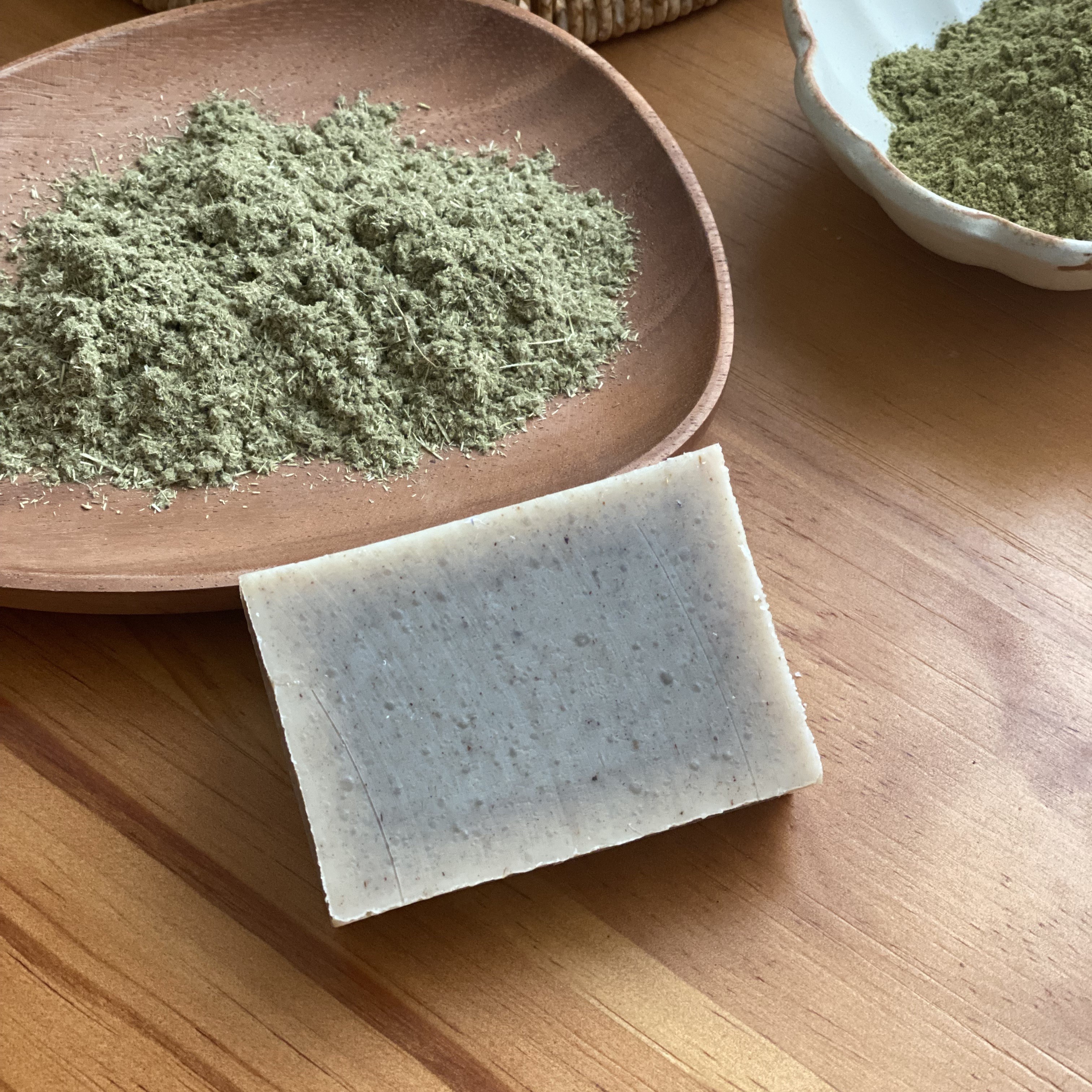


Tibetan Incense- 7-Herb Tranquility Sticks
Heritage Recognition: National Intangible Cultural Heritage List, 2008 Batch II, Ⅷ-141

Heritage Since
c. 700 AD
📜 Story Behind the Craft
With a history stretching back over 1,300 years, Tibetan incense making is a profound cultural heritage. It originated in the 7th century, closely linked to the spread of Buddhism in Tibet. The craft is traditionally believed to have been developed by Thonmi Sambhota, a minister of Songtsen Gampo, who integrated knowledge from India and China . This incense was initially created for religious ceremonies, believed to purify spaces and facilitate a connection with the divine. Our incense revives these ancient, UNESCO-recognized techniques, transforming a sacred ritual into a daily practice of mindfulness and tranquility for the contemporary home .
📐 Product Specifications
- Contents: 3 tubes per box, 20 incense sticks per tube (60 sticks total).
- Stick Specifications: Approximately 1g per stick.
- Burn Time: Approximately 50 minutes per stick.
- Applicable Scenes: Ideal for meditation, yoga, mindfulness practices, creating a serene atmosphere at home, or enhancing personal rituals.
- Storage: Keep in a dry place. The fragrance is known to mature and become richer over time.
🤝 Made with Care
Each stick is a testament to patience and reverence for tradition. We adhere to a meticulous, multi-step process that honors the ancient methods. After the initial crafting, the incense undergoes a crucial 90-day aging period in ceramic jars. This natural maturation process allows the fragrant botanicals to fully harmonize, resulting in a uniquely rich, smooth, and layered fragrance profile that cannot be rushed.
🧵 Craftsmanship & Ingredients
- Process: Handmade following traditional non-tangible cultural heritage techniques. The process includes over 20 steps such as selection of aromatics, washing and sun-drying, medicinal preparation of ingredients, grinding, formula blending, fermentation of the incense paste, shaping, air-drying, and final cellar aging .
- Key Ingredients: A blend of dozens of natural aromatic plants and traditional Tibetan medicinals, including but not limited to Cardamom, Black Cardamom, Clove, White Sandalwood, Agarwood, Borneol, and Frankincense.
- 100% Natural: Made only with natural binding agents and the listed botanical ingredients. Contains no artificial additives or synthetic fragrances.
🌏 Artisan & Origin Spotlight
This incense is crafted by artisans dedicated to preserving the living heritage of Tibetan incense making, a tradition with major production centers in regions like Nyangba County and Shannan Prefecture . By choosing this product, you support the skilled hands that keep this ancient craft alive, allowing them to sustain their livelihood through their artistry and pass their knowledge to future generations.
🏛️ Cultural Heritage Recognition
National Intangible Cultural Heritage (Tibetan Incense Making Techniques)
Tibetan Incense Making Techniques were officially inscribed on China's National Intangible Cultural Heritage List in 2008 (Batch II) . This recognition, with the official project number Ⅷ-141, affirms that this craft is a protected and treasured part of China's cultural legacy. This incense is a direct embodiment of that heritage .
Our Promise to You
From quality to care, we’re here to make your experience smooth and meaningful.

Secure payment
Encrypted checkout with major cards and trusted processors — your privacy is always respected.

Worldwide Shipping
Carefully packed and shipped with tracking. Wherever you are, we’ll get it to you.

Mindful Packaging
Plastic-free, low-waste materials. Designed to protect your order and the planet.

_1920x1920.png)